 BOTHELL STEM COACH
BOTHELL STEM COACH
BOTHELL STEM COACH
Watch the short video, then book a parent consultation if you believe we may be a fit.
Watch the video below before booking a call
Taught by our team of experienced AP coaches — founded by Allen Tsao (Electrical Engineering, UC Berkeley & Stanford).
Three steps, and you know where you stand at the end of them.
Two things worth doing before you book. Be specific on the biggest-problem question — “calculus is hard” gives us nothing to work with, but “they understand it in class and then blank on the test” tells us exactly what we’re solving.
And be honest on the question about whether your teen wants this problem solved too. It is the single biggest factor in whether a student succeeds here — bigger than the grade they walk in with, and bigger than anything we do. If you don’t know the answer, go and ask them before you pick a time.
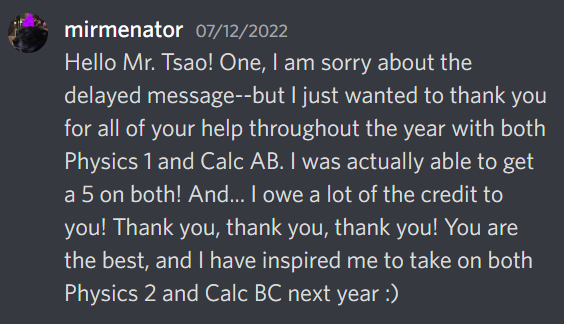
Real messages from AP Calculus, AP Physics 2 and AP Physics C families, exactly as they came in.
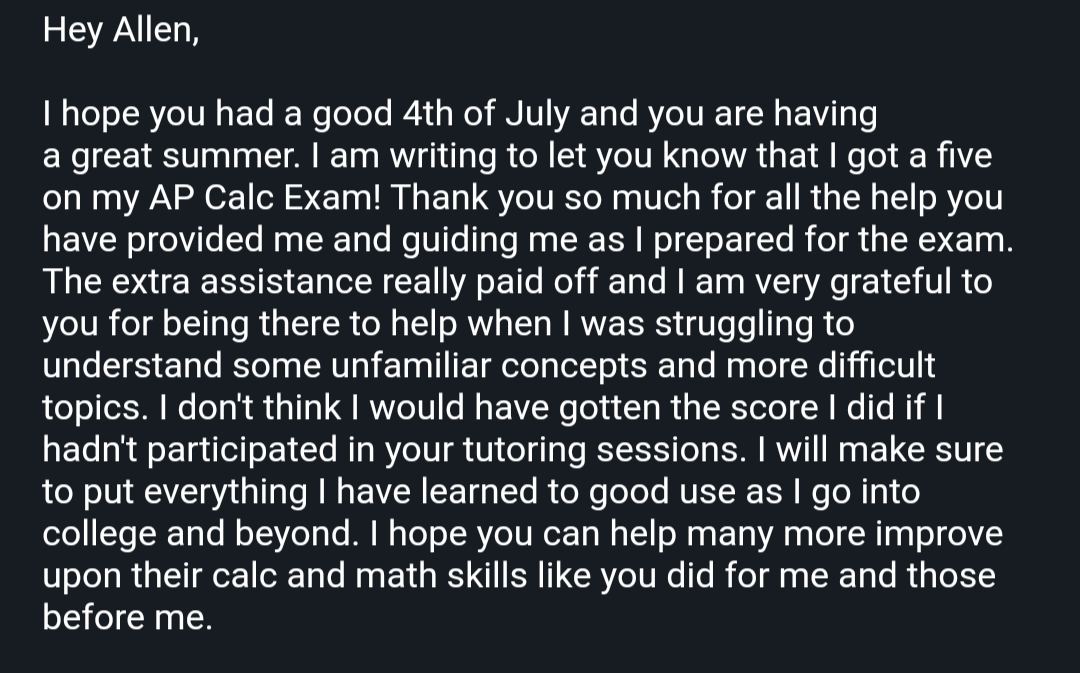

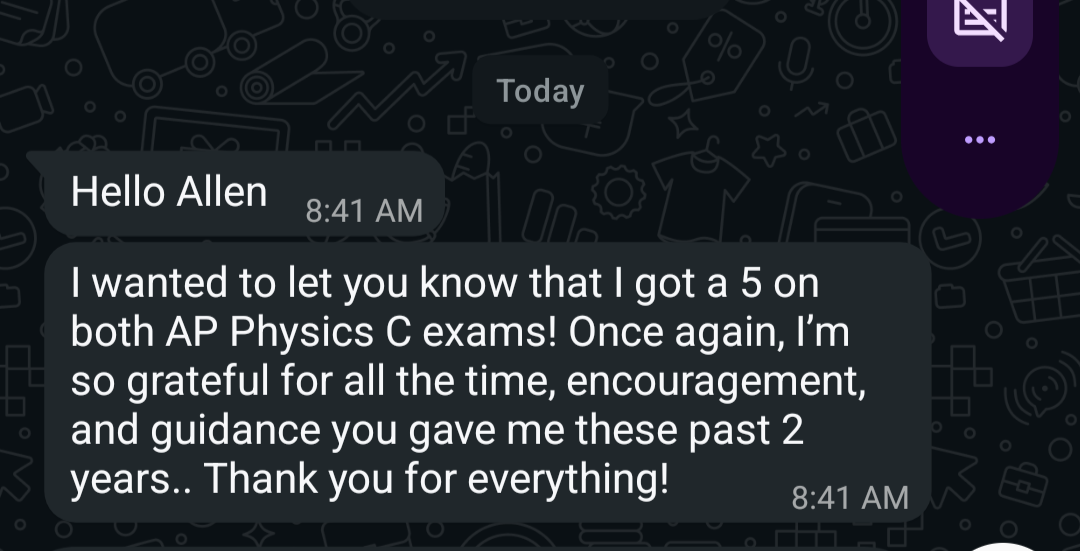
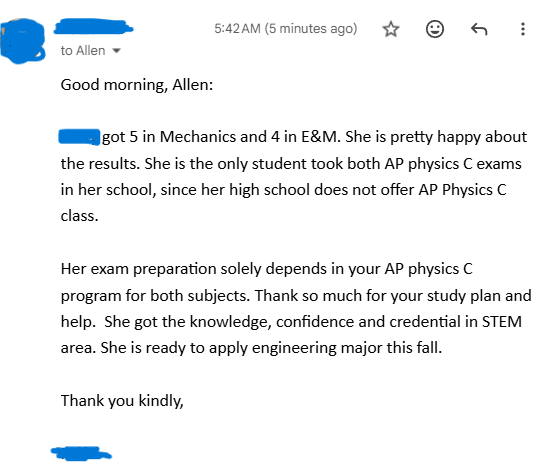
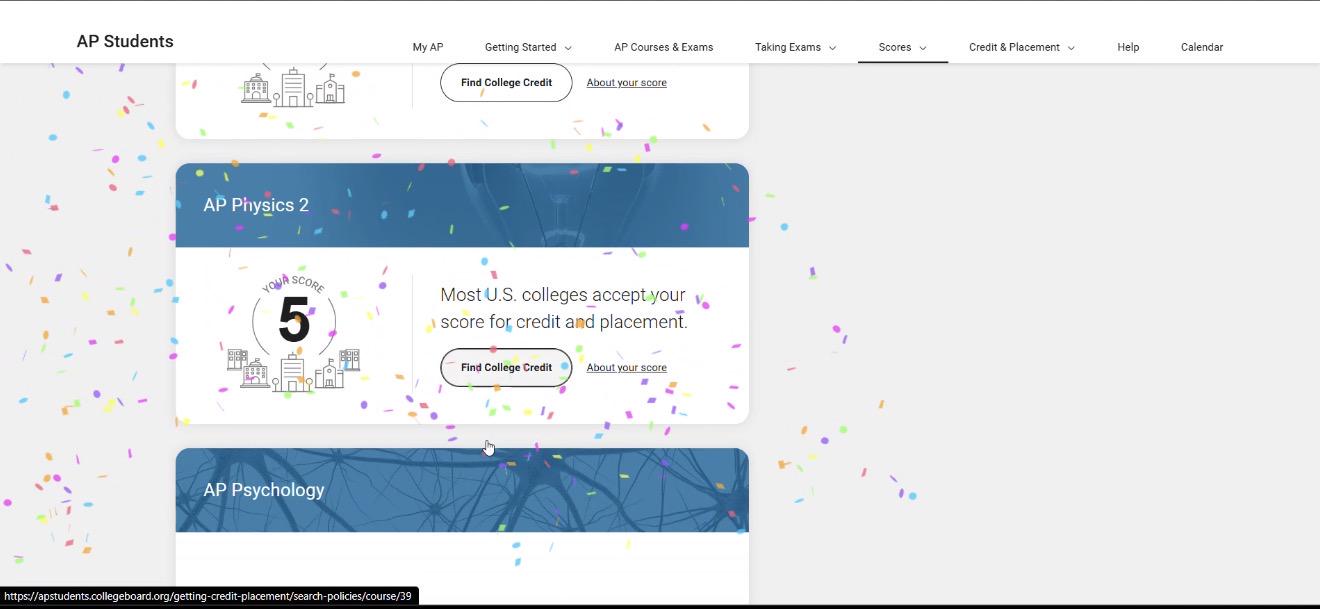
Tap any image to view it full size.
You’d only ever sign up for this if you’re 100% confident it will solve the problem for your teen. But I’d rather you saw the number here than heard it for the first time on a call.
You have two weeks to get every dollar back. In that time your coach builds the plan around your actual class, you work real problems, and you get real feedback on them. If it isn't helping, tell us before day 14 and we refund the full $500 — no fees held back. After day 14 the 30 days aren't refundable, and we don't do partial refunds — but continuing is still your call: we email you, and nothing is charged until you say yes. If you have concerns at any point, reach out to Allen directly.
Nothing to pay now and nothing to sign. Allen goes through the rest of it with you on the call.
Parents and students are both welcome — it’s easiest when you’re on the call together.
✓ $500 to get started — 30 days, everything included ✓ Two-week refund guarantee
Don’t see a time that works? Email allen@bothellstemcoach.com and we’ll find one.
The next page has a video on it, about seven minutes. Watch that one with your teen before we talk.
It covers how the program works, start to finish — which means Allen doesn’t have to spend your call talking at you about it. That time is precious, and he’d rather spend it listening: what’s going wrong in that class, what your teen is actually dealing with, the specifics of your situation. And then the rest of it finding an answer to that one big problem.
The four things parents ask us most at this point.
Fair question, and it’s worth being straight about where the people in this program actually are. They’re not in the lectures, because lectures aren’t where students get stuck. Watching someone else solve a problem is the easy part — your teen gets stuck on their own work, alone, on a Tuesday night.
So that’s where we put everyone we’ve got: graded work back within 24 hours, a video from an instructor on their own school assignment within 12, office hours when they want a live human, and a success coach watching the whole thing who notices before you do.
And honestly — if your teen won’t open anything unless somebody is waiting for them on a video call at a set time, this isn’t the right program. Allen would rather tell you that on the call than take your money.
On the consultation, quite involved — you’re the one deciding, so you should be on it. Ideally your teen is too, but if their schedule doesn’t allow it, come anyway.
After that, much less. Your teen works with us directly and a success coach tracks whether the plan is actually happening, so you’re not the one chasing them. What we do ask is that your teen genuinely wants this — that matters more than anything you do afterwards.
Allen tells you, on the call, and points you toward what would help instead. That happens, and it’s fine — a student who isn’t a fit doesn’t get results here, and we’d rather say so than take your money.
It’s also why the bar for starting is 100% confident rather than “willing to try”. If you’re not certain, you don’t start, and nothing is charged.
Straight away. Enrollment is rolling, and if you start on the call your teen’s coach builds their study plan in the first week — around what their teacher is actually covering and when.
Their class schedule is the point, not an obstacle. Everything is organised by topic rather than by week, and there are no fixed class times to fit around, so they work on whatever their class is on right now. If their teacher covers units in an unusual order, the plan is built around that order.
Answer a few questions, then pick a time. You’ll have seen the price before you book.